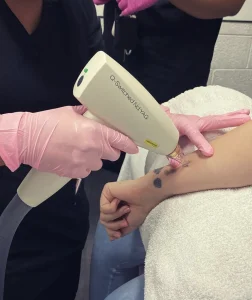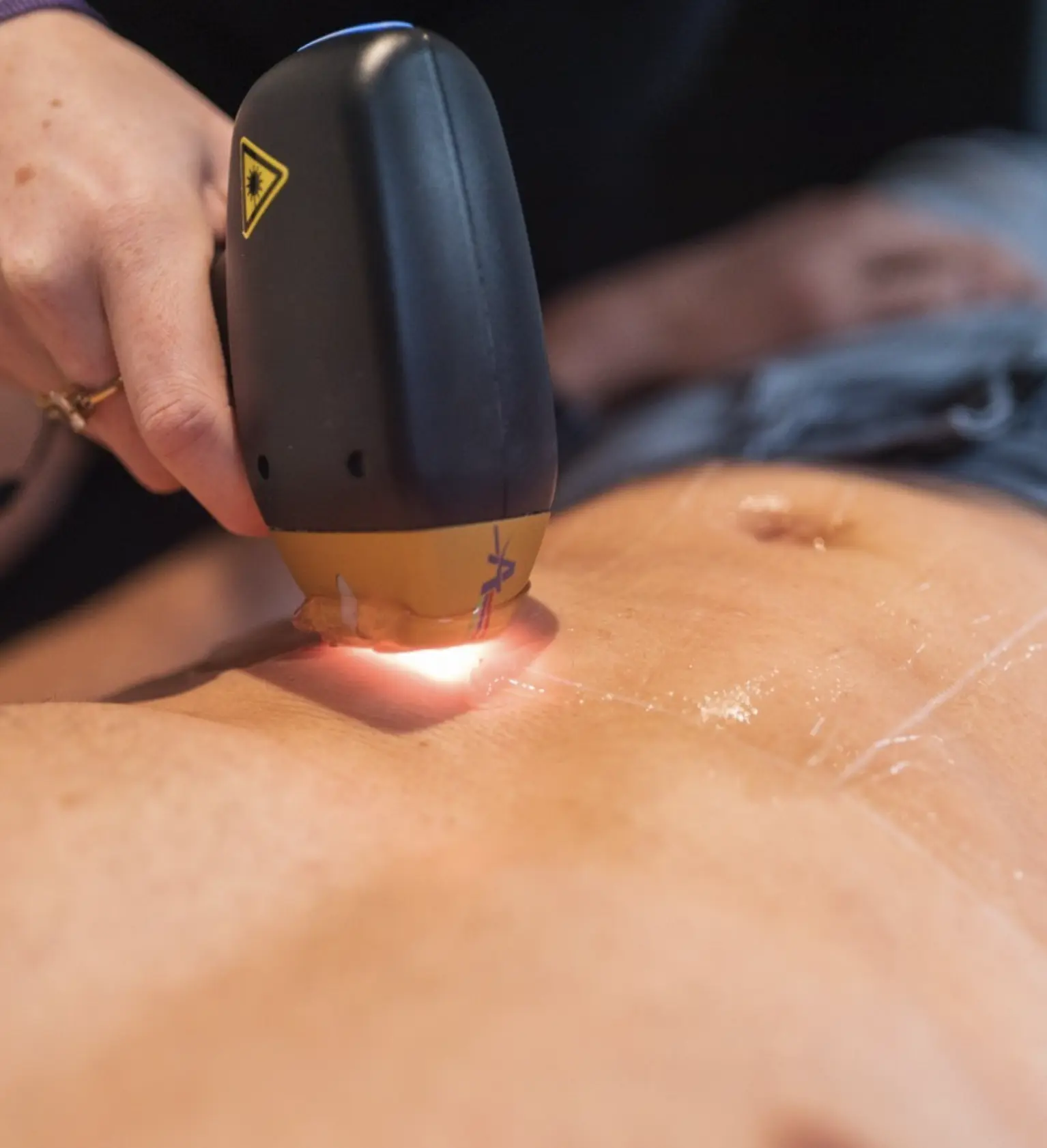
Should laser practitioners pick up male-specific techniques? It’s a question I hear all the time in Melbourne treatment rooms as more blokes start booking laser sessions for grooming, comfort, and just generally looking after their skin. I’m Olha Po from Face Figurati, one of the crew behind Cosmetic Tattoo Melbourne,e and I’ve spent years working with male clients – I know firsthand just how different male skin and hair actually are. And these differences aren’t just minor details to gloss over – they can completely change how we plan and safely run a treatment.
As a practitioner, you can’t just rely on generic protocols – and that’s exactly why laser hair removal training courses with Face Figurati now include a proper male-specific component in them.
Contents
- 1 Why Men’s Skin Responds Differently During Laser Sessions
- 2 How Men’s Hair Patterns Affect Treatment Precision
- 3 The Treatment Variables Practitioners Must Adjust For Men
- 4 A Practical Comparison: Male vs Female Treatment Considerations
- 5 Why More Men Are Turning to Professional Services
- 6 How Proper Training Reduces Practitioner Risk
- 7 Aftercare Guidance That Works Specifically For Men
- 8 Communication Strategies
- 9 Why Developing Skills Benefits Every Practitioner
- 10 FAQ
- 10.1 What makes male laser sessions feel stronger than female treatments?
- 10.2 Why do men often end up with more redness or swelling afterwards?
- 10.3 How long does it typically take to see noticeable reduction on coarse hair?
- 10.4 Can clients with darker complexions safely undergo treatment?
- 10.5 Why do practitioners benefit from learning male-specific techniques early in their careers?
Why Men’s Skin Responds Differently During Laser Sessions
Male skin has some pretty unique structural and hormonal characteristics that affect how it absorbs heat, behaves around the follicle & heals after a treatment. And living in Melbourne, with its strong summer sun & windy winters, can really make this variability worse.
Male clients have got thicker dermal layers, tougher collagen networks & more active sebaceous glands – in short, their skin can really behave quite differently. And when we’re treating coarse hair or darker skin tones, the Fitzpatrick scale becomes a much bigger deal. All these factors can really change how the laser interacts with the skin, especially when we’re treating areas like beards or skin tones that are really prone to issues.
Practitioners who understand this stuff can adjust the laser settings, the way the energy is delivered & the cooling systems to avoid problems while getting great results.
How Men’s Hair Patterns Affect Treatment Precision
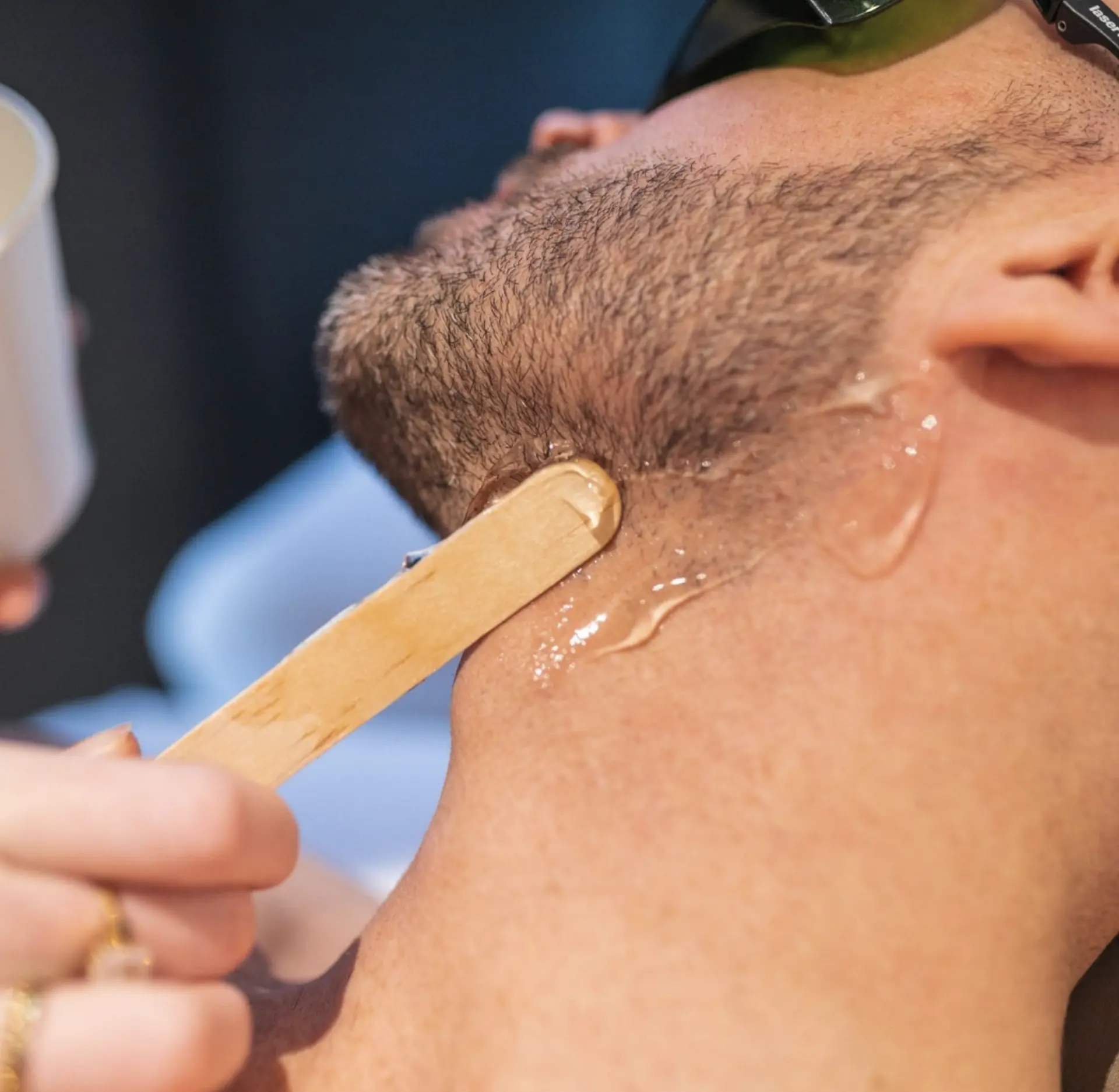
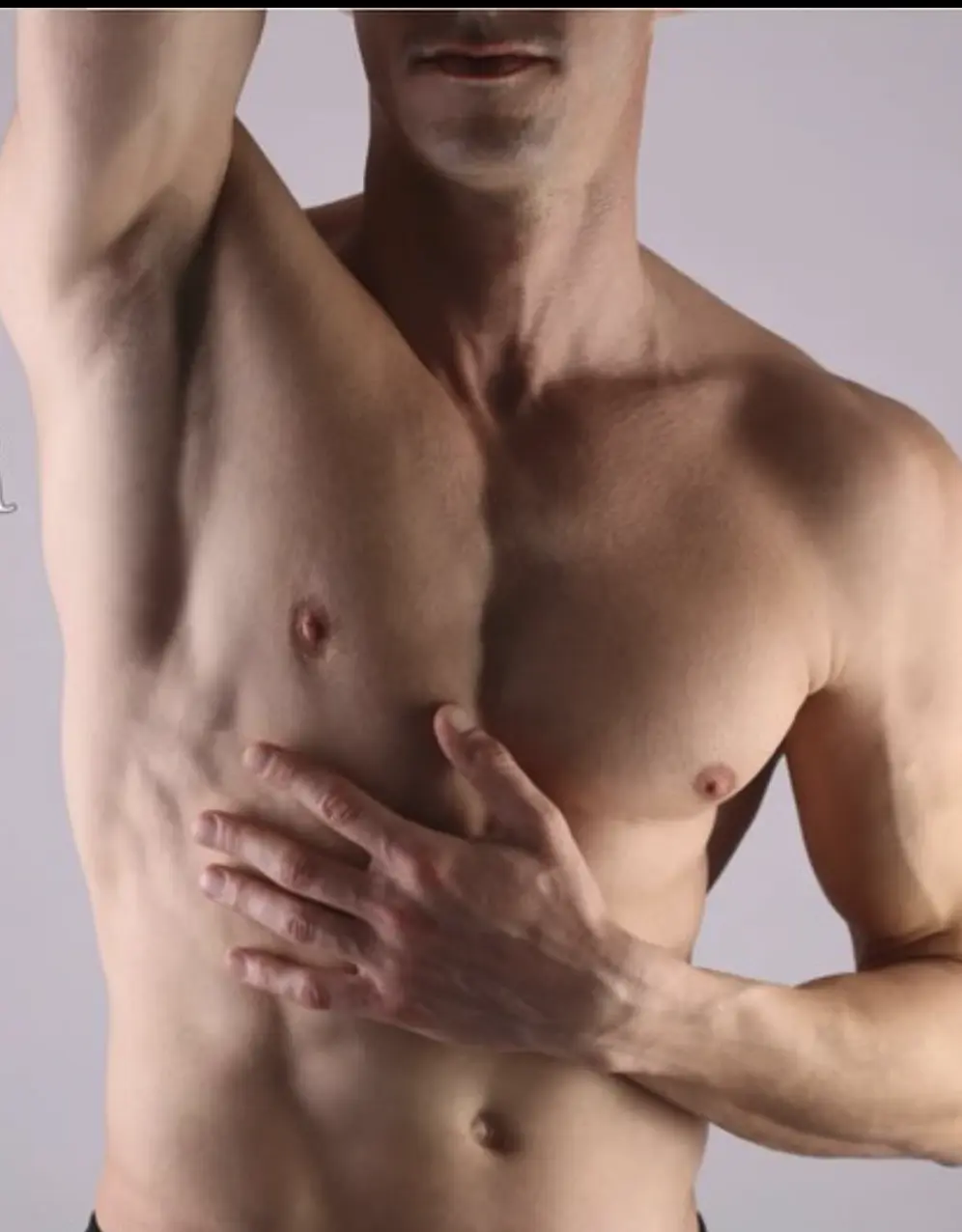
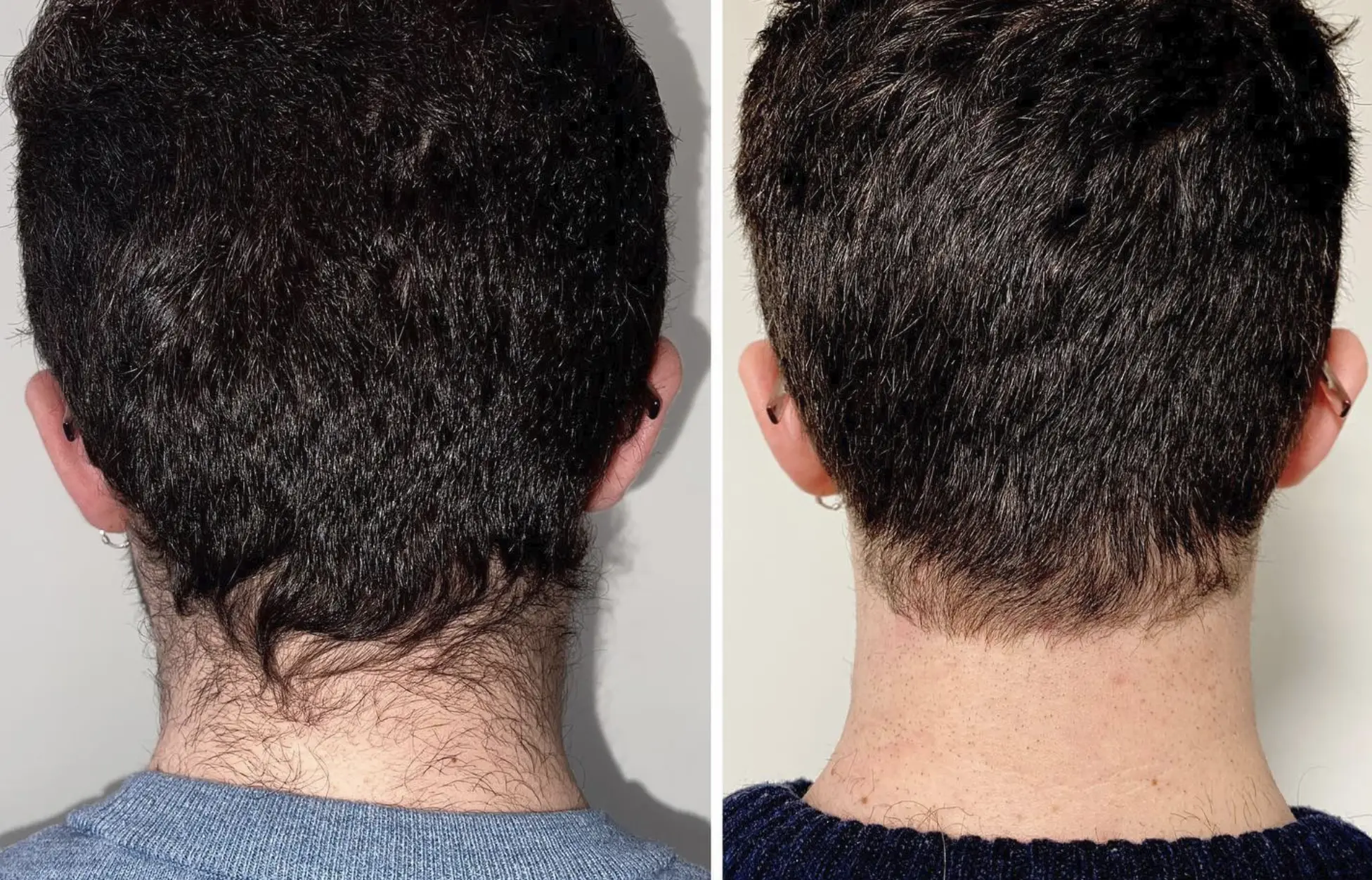
Hair growth direction, the depth of the follicle and the density of the hair just vary so much in different men – especially when we’re talking about beards, necks, shoulders & backs. And the more hair is multi-directional, the trickier it gets, especially when we’re switching between vellus hair and real dense, terminal hair.
Here’s the thing: a practitioner who doesn’t understand these hair patterns will treat a beard line like a standard facial & they’ll leave patches all over the place. But one who knows how to map it all out will have no issues at all. This is why understanding those patterns is a core part of laser hair removal training courses with Face Figurati.
The Treatment Variables Practitioners Must Adjust For Men
Pulse duration, fluence levels & cooling strategies make up the treatment “triad” that we rely on when working with male clients. But because coarse hair absorbs a lot of laser light, we need to be very careful about how much energy we use, so we don’t overheat or irritate the skin afterwards.
Whether you’re using diode systems, non-ablative lasers, ablative lasers, or pulsed-light machines, the technique needs to shift when you’re working on male skin. This includes things like how often you space shots, what direction you move your laser in & how many times you run it over the same spot – and of course, you’ve also got to take into account the influence of testosterone & the client’s history with sun exposure or tanning beds.
In the end, it’s the safest practitioners who treat male grooming as its own category, rather than just a subset of female protocols.
A Practical Comparison: Male vs Female Treatment Considerations
| Consideration | Female Clients | Male Clients |
| Follicle Depth | Moderate | Deep, especially beard/back |
| Hair Type | Medium | Coarse, dense |
| Skin Characteristics | Standard | Thicker, oilier |
| Pain Sensitivity | Predictable | Higher in beard zones |
| Cooling Requirements | Typical | Extended/advanced |
| Common Reactions | Mild redness | Swelling, folliculitis |
Why More Men Are Turning to Professional Services
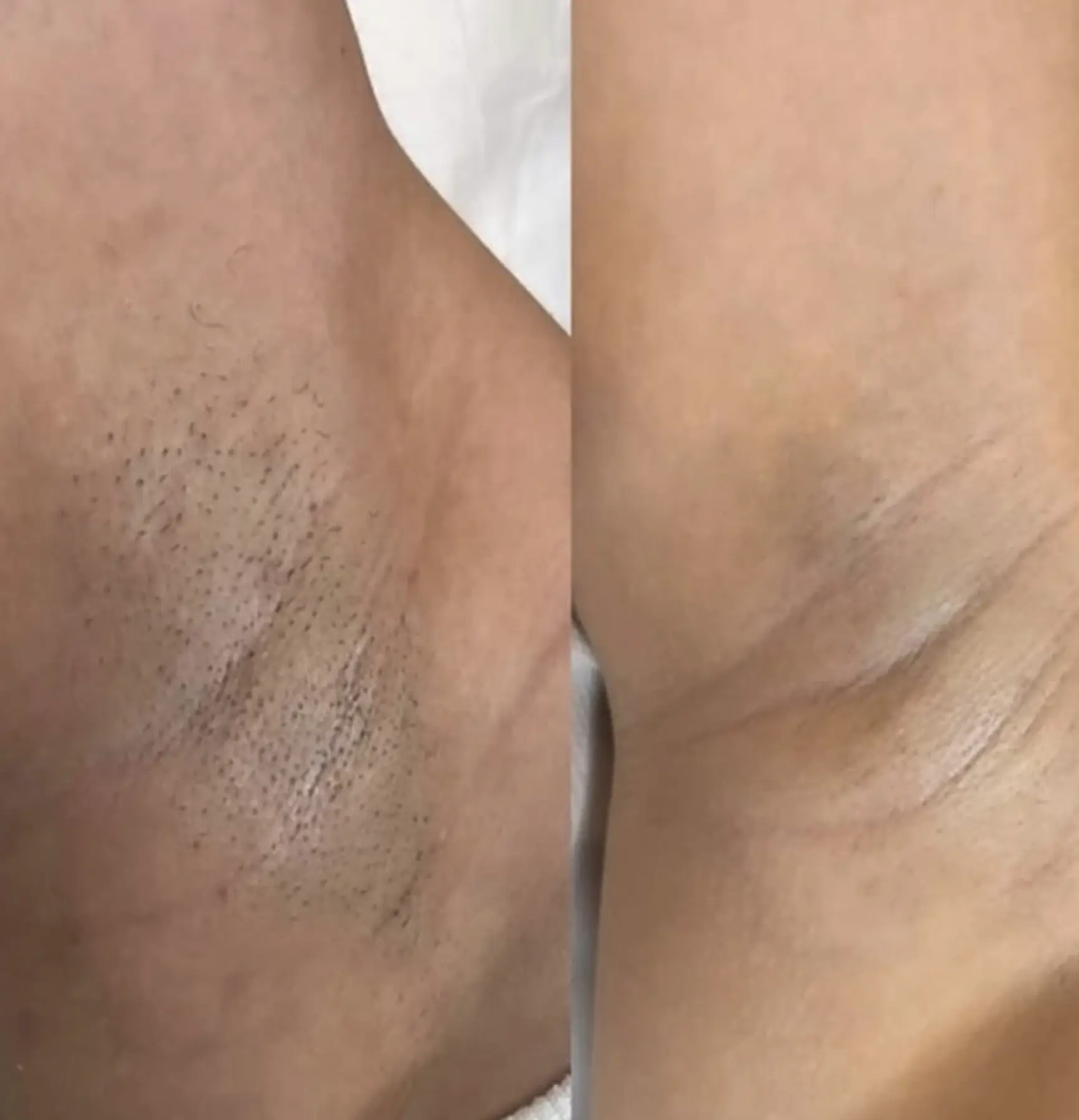
Reports from the Australian industry are showing a real increase in the number of blokes chasing professional grooming treatments – hair removal, beard line work, sorting out their pubes, and generally giving themselves a fresher, clearer complexion. A lot of guys are after some relief from the constant irritation of shaving, ingrown hairs, or uneven skin texture caused by dodgy depilatory creams or overdoing it with exfoliants like glycolic acid and vitamin C.
Men are also getting in touch to book treatments for acne scars, looking younger than their years and generally wanting to look and feel better – areas that energy-based treatments and high-end equipment can make a real difference in, as long as they’re used safely.
This is partly why we’re getting more male clients coming into Cosmetic Tattoo Melbourne clinics – and a lot of them are asking whether our practitioners have got the right training for the job. That’s one of the reasons we decided to expand our laser hair removal course.
How Proper Training Reduces Practitioner Risk
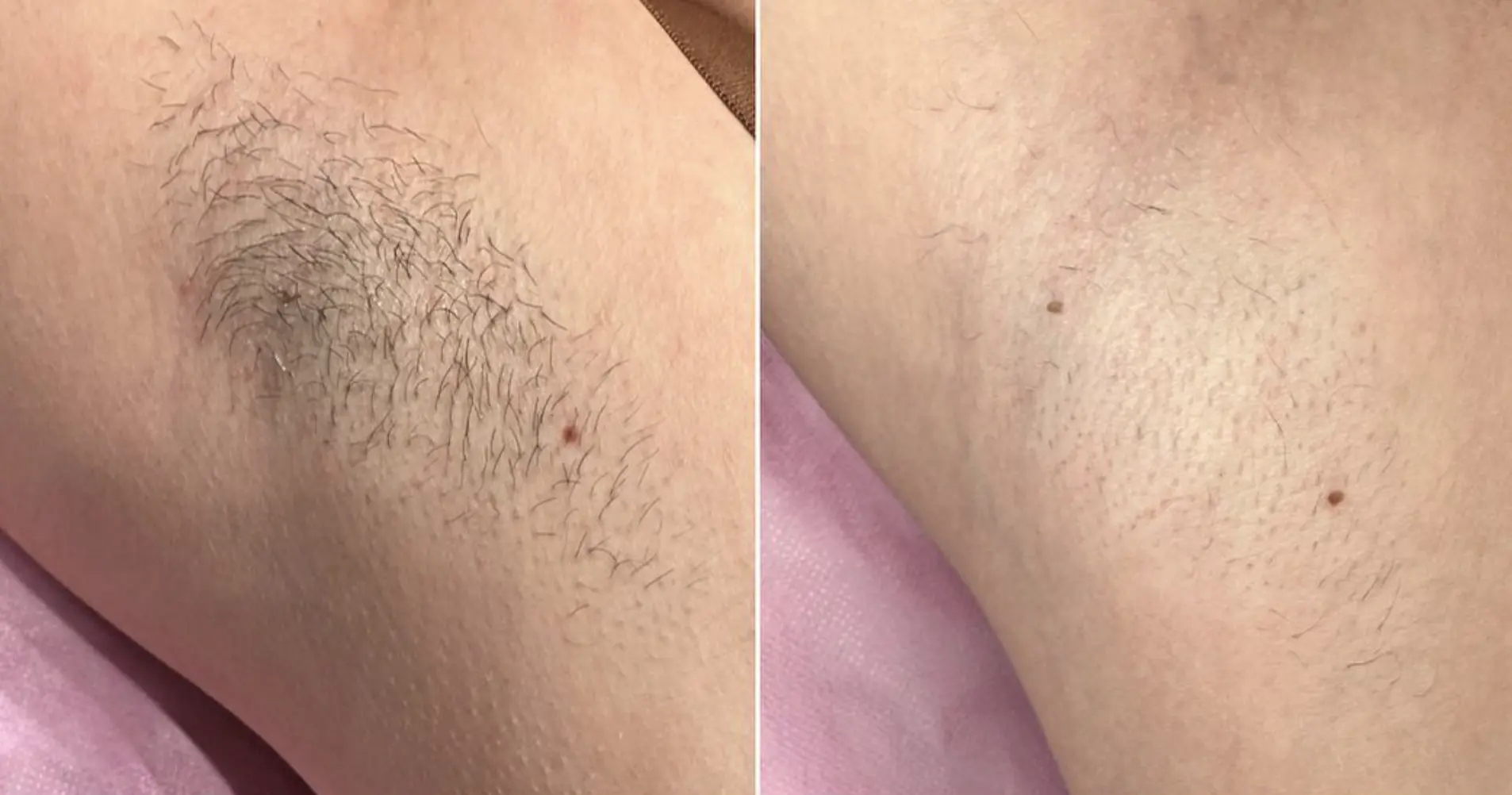
You’re a lot more likely to run into problems – like striping or heat reactions or pigmentation changes – when you’re treating guys without really understanding how their skin and hair are going to react. Proper training lets beauty therapists and dermal practitioners adjust their energy output, read the signs in the skin and get the results they’re after.
Getting the right education includes:
- • Managing client expectations around coarse hair
- • Getting a handle on skin and hair types across the Fitzpatrick scale
- • Giving clients the right advice on avoiding post-treatment flare-ups
- • Spotting the contraindications that come with testosterone treatments or active skincare
- • Working out how sun damage messes with treatment plans
This knowledge protects both the practitioner and the client – and makes a huge difference to satisfaction and long-term results.
Aftercare Guidance That Works Specifically For Men
Getting guys to follow aftercare instructions is one of the biggest challenges. A lot of them go back to the gym too soon, shave straight away after treatment, or use those active serums before their skin has even had a chance to cool down.
When it comes to aftercare for male clients, it’s all about:
- • Avoiding that gym for a couple of days and giving the steam room a miss for a while
- • Putting the brakes on exfoliants and active skincare until that redness has gone
- • Protecting themselves from the sun and tanning lotions
- • Using some gentle hydration to help their skin recover
Clear and straightforward aftercare instructions really do make a big difference – especially in a place like Melbourne where the weather can be all over the shop.
Communication Strategies
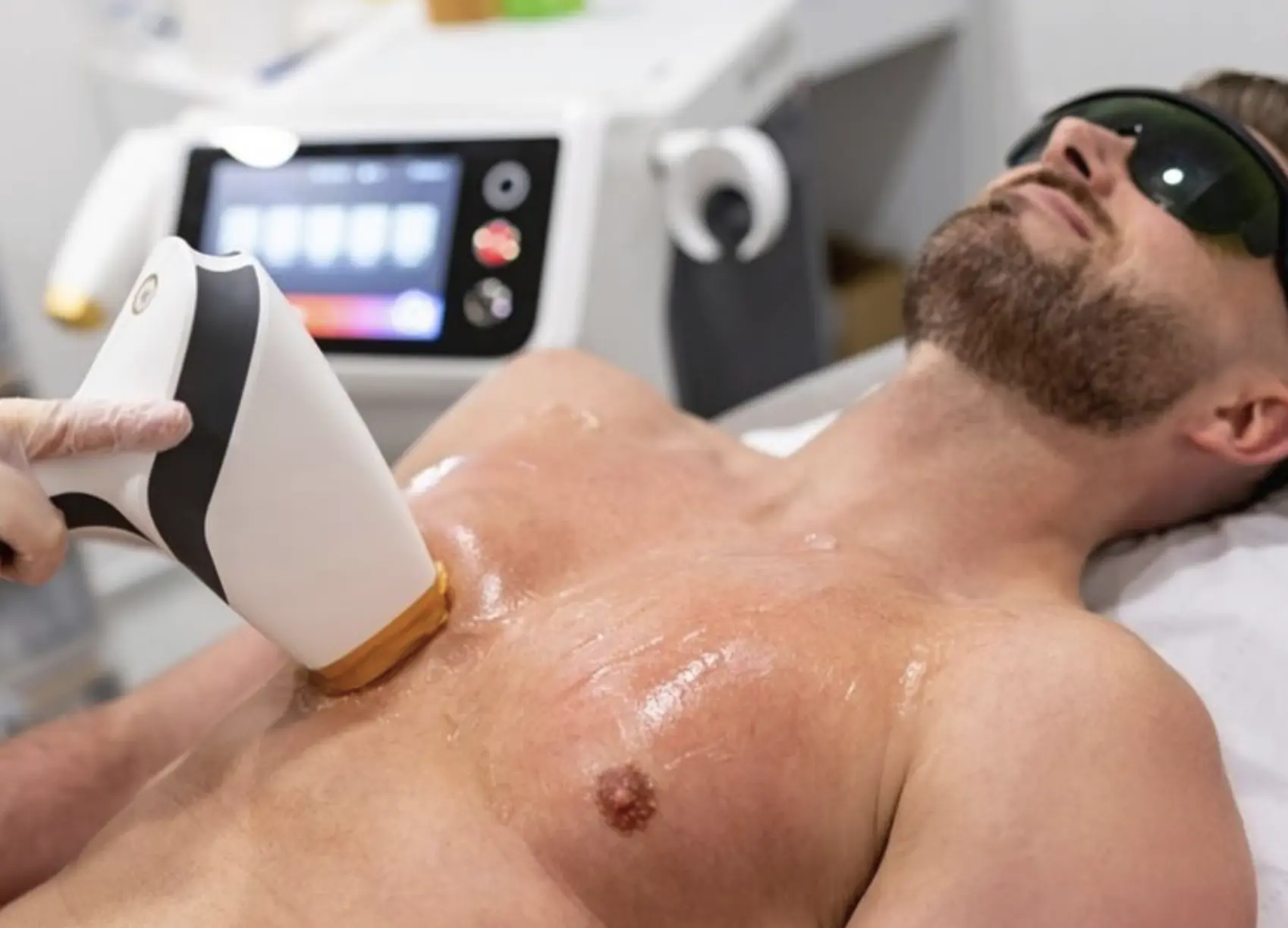
Men usually approach hair removal with a very practical mindset – how can we make this less painful, less of a hassle? They want fewer ingrowns, less irritation, a decent shave, and a low-maintenance routine. When they understand how hair growth cycles work, how long things take, and the role the anagen phase plays in treatment outcomes, they suddenly become much more on board and clued up.
This sort of transparency tends to go a long way in building trust with your clients and makes them more likely to look after their skin long term, which, as we stress pretty heavily in our laser hair removal training, is a pretty big deal.
Why Developing Skills Benefits Every Practitioner
If you want repeatable results, to be able to communicate with confidence with your clients, and to genuinely reduce the risks associated with treatment, then becoming proficient in the male protocols is no longer a choice. Men’s grooming is fast becoming a ‘thing’, and it’s the practitioners who can figure out how laser energy behaves on male skin who’ll deliver safe, efficient results.
Companies like Cosmetic Tattoo Melbourne have shown us firsthand just how much of a game-changer this kind of expertise can be – not just when it comes to back hair or shaving lines, but across pretty much all treatment areas.
FAQ
What makes male laser sessions feel stronger than female treatments?
Quite simply, because male follicles are thicker and sit deeper in the dermis, they tend to soak up more of the laser energy. So for certain areas – particularly around the beard-line – unless you’re adjusting your technique and your cooling system correctly, it can be a bit more intense.
Why do men often end up with more redness or swelling afterwards?
Well, it’s probably to do with all the daily shaving and active products in their skincare routine, combined with their higher levels of sebum production – all of which makes them a bit more sensitive in the first place. But good technique and aftercare can actually make a big difference.
How long does it typically take to see noticeable reduction on coarse hair?
Most men start to notice some softening and reduction after 4-6 sessions, although a full course of treatment often involves 8-12 sessions, depending on the area and their skin type.
Can clients with darker complexions safely undergo treatment?
Yes, but it’s all about understanding the Fitzpatrick scale and using the right wavelength. Getting this right is actually a key part of our advanced training.
Why do practitioners benefit from learning male-specific techniques early in their careers?
Well, first of all, it makes them safer and more effective in their work, and secondly, it means they’re seen as the go-to experts in this area, which is expanding fast – and that’s a real positive for their business.