Is a ‘Laser Safety Officer’ certificate enough to open a clinic in Melbourne in 2026? This is the question on everyone’s lips the moment they start exploring the aesthetic and cosmetic industry. I’m Olha Po from Cosmetic Tattoo Melbourne, and I’ve helped enough therapists transition into advanced device work to know that real readiness involves far more than one certificate.
Melbourne clients want trained operators, medical-grade devices require deep technical understanding, and the industry expects strong treatment plans — not shortcuts. So let’s unpack the full picture.
Contents
- 1 Foundational Certificates Don’t Cover Clinical Readiness
- 2 What Basic Safety Training Actually Teaches
- 3 Industry Standards Affect New Clinic Owners
- 4 Comparing Basic Training With What A Clinic Actually Needs
- 5 Why Insurers Judge Competency More Than Certificates
- 6 Where Hands-On Training Makes The Biggest Difference
- 7 A Real Training Moment From My Studio
- 8 What Clients Expect From Professional Operators
- 9 Industry Trends That Influence Training Expectations
- 10 What You Should Have In Place Before Opening
- 11 Final Thoughts On The Pathway To Opening A Clinic
- 12 FAQ
- 12.1 Will a laser safety certificate be enough on its own to start performing treatments?
- 12.2 Do I need training for every single device?
- 12.3 Can medical professionals operate lasers without extra training?
- 12.4 Does low-level laser therapy have the same rules as cosmetic lasers?
- 12.5 Do suppliers require proof of training before selling you medical-grade devices?
Foundational Certificates Don’t Cover Clinical Readiness
It’s easy to assume a safety certificate equals clinical safety, but the gap between these two worlds becomes very clear the moment you turn on a real device.
Many newcomers assume the laser safety certificate is the only ticket they need. But while it teaches essential safety theory, it doesn’t provide the clinical skills needed for Laser systems, IPL systems, fractional lasers or medical aesthetics devices. It certainly doesn’t replace hands-on training or structured laser courses in Melbourne.
In a competitive city like Melbourne, cosmetic clinics thrive on credibility. That credibility comes from education, not simply compliance.
What Basic Safety Training Actually Teaches
Laser safety training covers things like:
- Light and skin interactions
- Safety controls
- Being aware of the hazards
- The difference between cosmetic and low-level laser therapy
- The safety measures you need to follow for any laser device
But it definitely doesn’t teach you how to get the job done clinically. That’s why the industry’s serious players are turning to training facilities that offer practical education workshops. I’ve had heaps of students come to me after their first hands-on session and tell me that they’ve been surprised by just how different real skin behaves compared to what they thought from just theory alone.
Industry Standards Affect New Clinic Owners
Victoria doesn’t have the same licensing model as Queensland, but expectations in the aesthetic and cosmetic industry are consistently rising. Medical professionals partnering with cosmetic clinics want to see evidence of device-specific competency. Insurers demand it. And clients instantly pick up on whether you’ve been properly trained.
Even microdermabrasion machines must meet safety and maintenance standards, so imagine the expectations placed on medical-grade devices.
Comparing Basic Training With What A Clinic Actually Needs
| Category | Covered by Safety Certificate | Required for Clinic Operation |
| Basic safety theory | ✔️ | ✔️ |
| Permission to purchase medical-grade devices | ❌ | ✔️ |
| Hands-on competency | ❌ | ✔️ |
| Infection control certification | ❌ | ✔️ |
| Professional treatment planning | ❌ | ✔️ |
| Device-specific training | ❌ | ✔️ |
| Room compliance & signage | ✔️ | ✔️ (expanded requirements) |
| Insurance eligibility | Partial | Fully documented competency |
Most therapists realise quickly that the certificate is just the first rung on a much taller ladder.
Why Insurers Judge Competency More Than Certificates
When it comes to proving you can handle laser systems, IPL systems and fractional lasers, a single piece of paper just isn’t going to cut it for insurers. They’re looking for something a lot more tangible. So what exactly are they after? Well, for starters, they want:
- Real training on specific devices
- A qualification that shows you know your stuff when it comes to treatment protocols
- Evidence that you’re on top of infection control
- Proof that you’ve got a system in place for keeping your gear in top working order
- A record of how you maintain your medical-grade equipment
And even some graduates of Melbourne laser courses may need to complete many extra supervised practice hours before they’re good to go with insurers.
Where Hands-On Training Makes The Biggest Difference
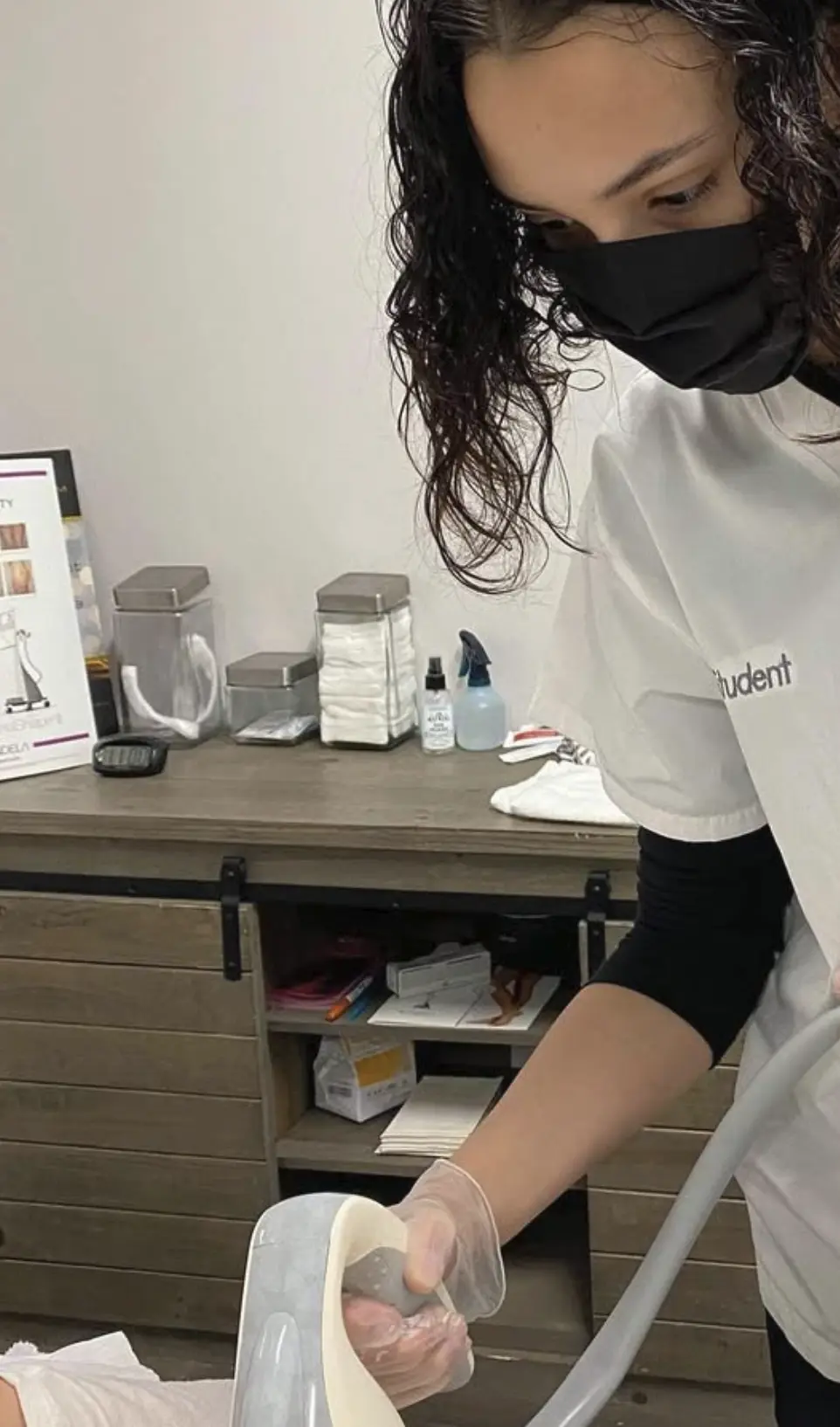
You can learn all about the theory behind lasers, but when it comes to actually using them, that’s when the real education kicks in. It’s only when you’re actually working with the equipment that you really start to understand the practicalities.
Hands-on training shows operators the realities of:
- Why skin tone makes such a difference when it comes to energy levels
- How fractional lasers can actually help repair and turn over cells
- Why IPL systems tend to act very differently from lasers
- How the way your client’s skin looks – texture, laxity, hydration – all impact the outcome
- How crucial it is to tailor your treatment plan to each individual
It’s the little things like that which can make all the difference – and believe me, you won’t learn them all in some theory course.
A Real Training Moment From My Studio
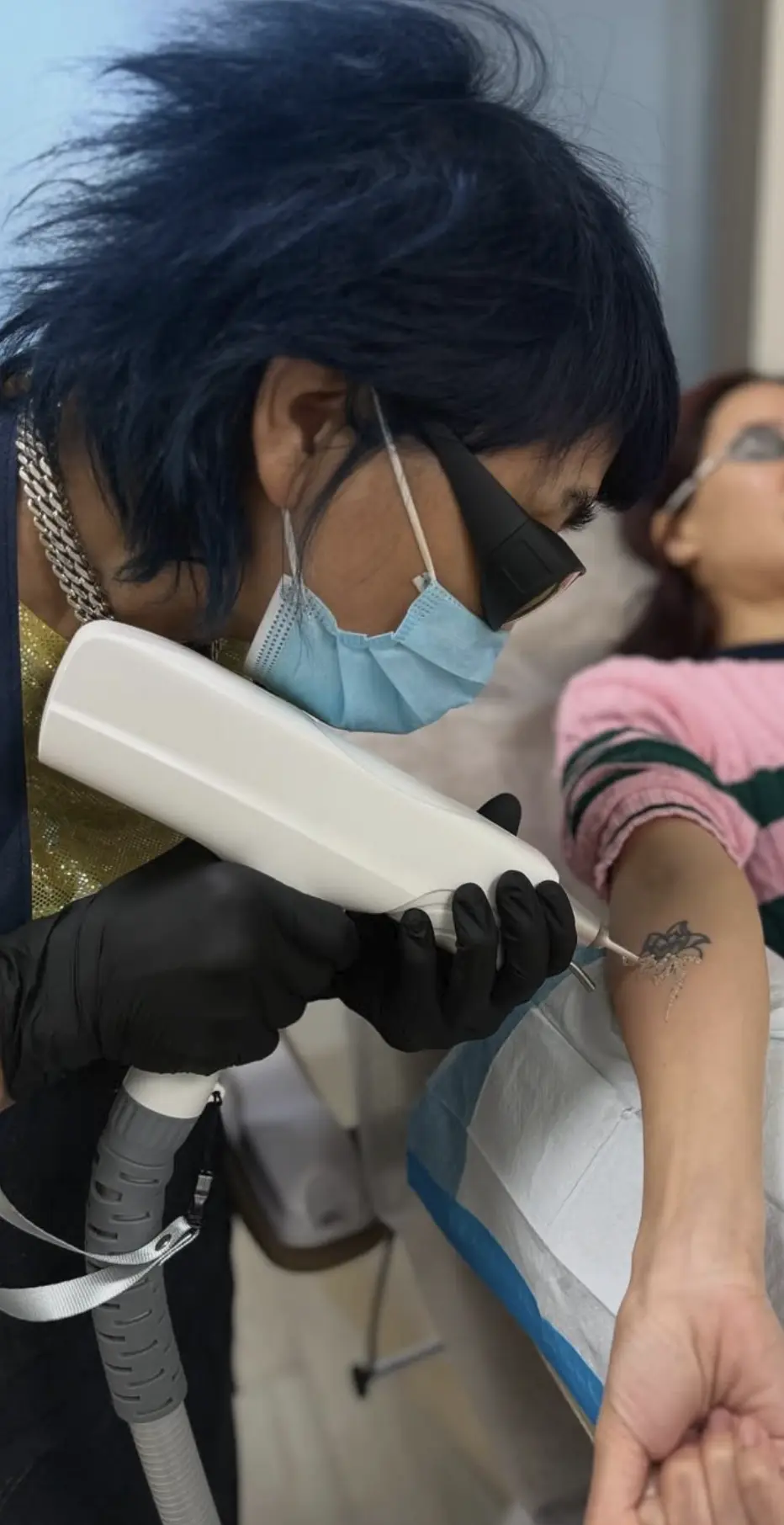
One of my new therapists had finished her safety training and was feeling pretty confident – she’d got all the right certificates and everything. But then she came in and did her first supervised treatmentfor, and tosay she chose the wrong settings for the client’s skin tone. Even with the frosting, in no time she worked out the difference between what she’d been taught and what actually works in the real world. That sort of experience is why I always tell people to invest in really comprehensive laser courses in Melbourne before they start treating clients.
What Clients Expect From Professional Operators
People who book into clinics are more informed than ever – they’re not just looking for some dodgy quick fix. No – they want to know that the person treating them has got a real handle on what they’re doing. They’re looking for
- Treatment plans that are upfront and clear
- A therapist who knows their stuff when it comes to the medical-grade gear
- Someone who’s confident and can handle different skin types and textures
- Consistent outcomes that are safe and reliable
- A clinic that takes their concerns seriously – not just a bunch of sales jargon.
Melbourne clients in particular know the difference between someone who’s genuinely up to speed on their technology – and someone who’s just winging it.
Industry Trends That Influence Training Expectations
Australian data for 2025 shows that the aesthetic sector is growing steadily at around 10% a year.
- The aesthetic sector continues to grow at almost 10% annually
- Laser and IPL hair reduction services make up over 30% of all non-surgical treatments
- Complaints rise when operators do not have adequate training
As demand grows, so does the pressure on clinics to get things right. And that means being more accountable and transparent.
What You Should Have In Place Before Opening
Getting your clinic off to a solid start is a critical part of building trust with your customers, getting the right insurance and staying on the right side of the law.
Qualifications You Truly Need
- A laser safety certificate – it’s the bare minimum
- Infection control training – it’s a must
- Treatment-specific training – you can’t just wing it
- Device-specific education for every medical-grade device you’re using
Operational Systems To Prepare
- Signed protocols for every procedure – it’s a matter of patient safety
- Documented safety processes – make sure you’ve thought this through
- Maintenance logs for all equipment – it’s a no-brainer
- Room compliance for all Laser systems and IPL systems – don’t risk it
Business Essentials
- Suitable insurance – don’t even think about running without it
- Council approvals – check with your local authorities
- Detailed consultation forms – get consent from your clients
- Habitual use of treatment plans – take the time to plan your treatments properly
Even experienced professionals who’ve done laser courses in Melbourne will tell you that it’s not just about the training – it’s about getting all of these different elements working together seamlessly.
Final Thoughts On The Pathway To Opening A Clinic
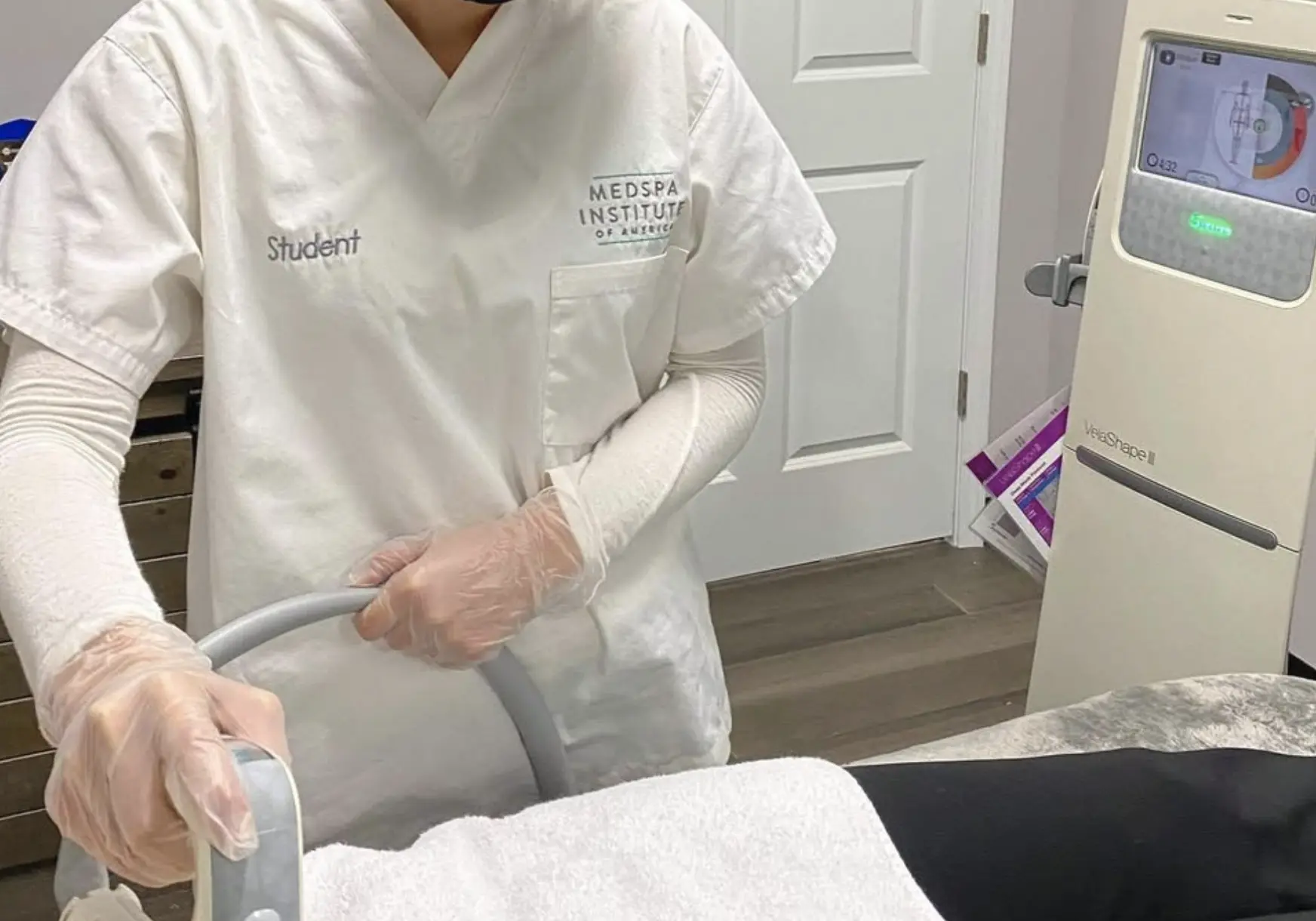
Getting a laser safety certificate is a great start, but it’s only the starting point. Melbourne’s aesthetic industry expects a lot more from operators – including layer upon layer of training, hands-on practice and a robust clinical system that’s been thought through from top to bottom. If you want to operate with confidence and know you’re doing things right, you need to consider getting more education and supervised practice under your belt.
If you’re just starting and need some help with training pathways or setting up your clinic, then get in touch – I’m always happy to lend a hand.
FAQ
Will a laser safety certificate be enough on its own to start performing treatments?
No, it’s only a starting point – it covers safety theory but not the actual skills and device operation you need to do in a clinic.
Do I need training for every single device?
Yes, you do – laser systems, IPL systems, fractional lasers, microdermabrasion machines – every one of them requires separate training and competency checks.
Can medical professionals operate lasers without extra training?
No, they can’t – even medical practitioners need to learn how to use specific devices before they can use them in a clinic.
Does low-level laser therapy have the same rules as cosmetic lasers?
No, it doesn’t – it has its own set of safety considerations, but it still requires training and proper treatment plans.
Do suppliers require proof of training before selling you medical-grade devices?
Most of them do – at least the reputable ones do, anyway. It’s a way of protecting both the operator and the industry.